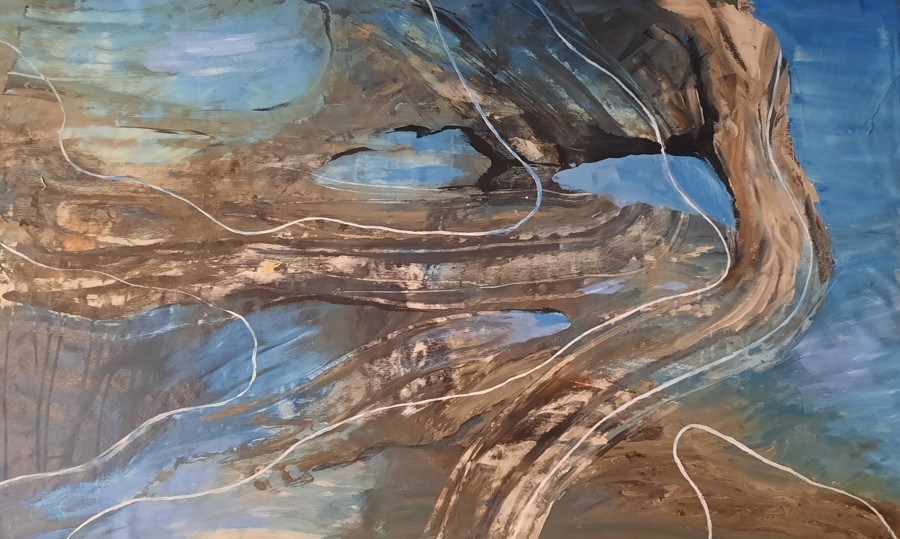
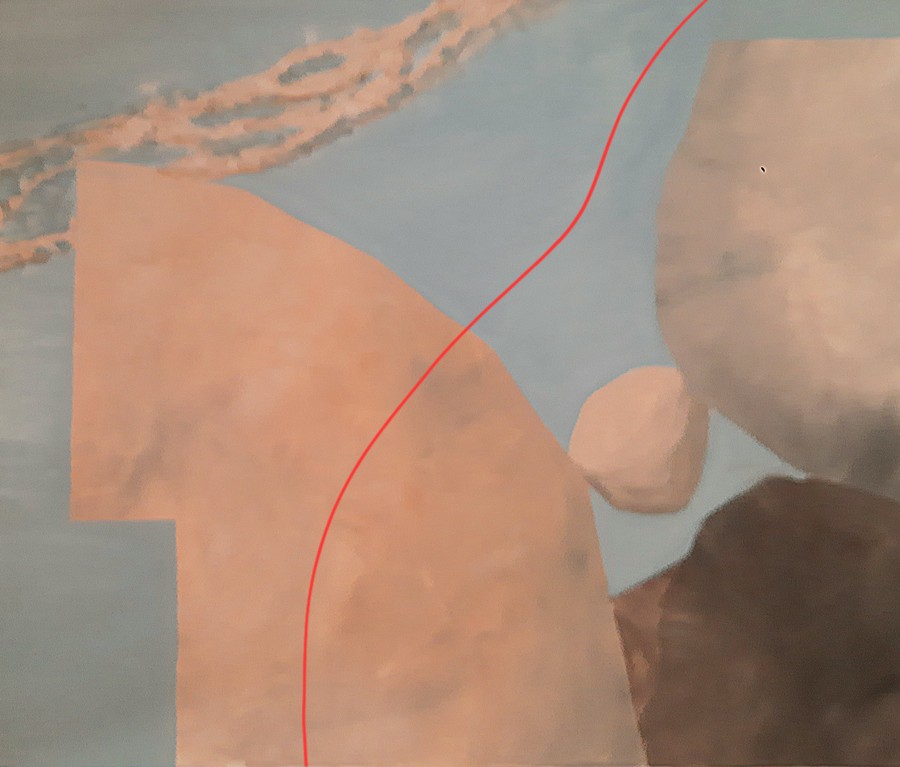
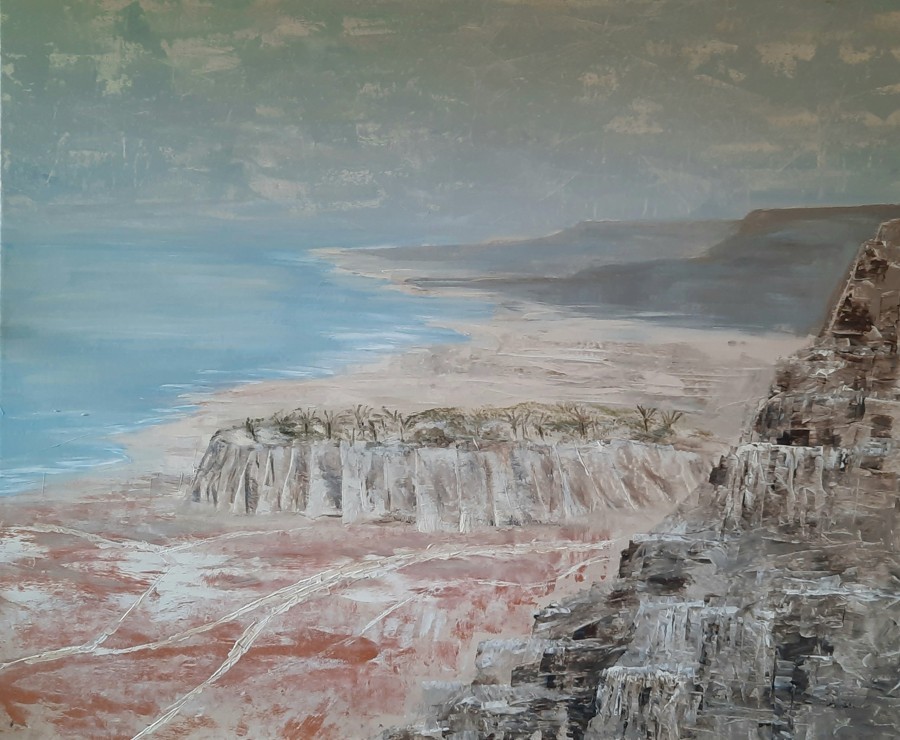
The land remembers; the mind interprets.
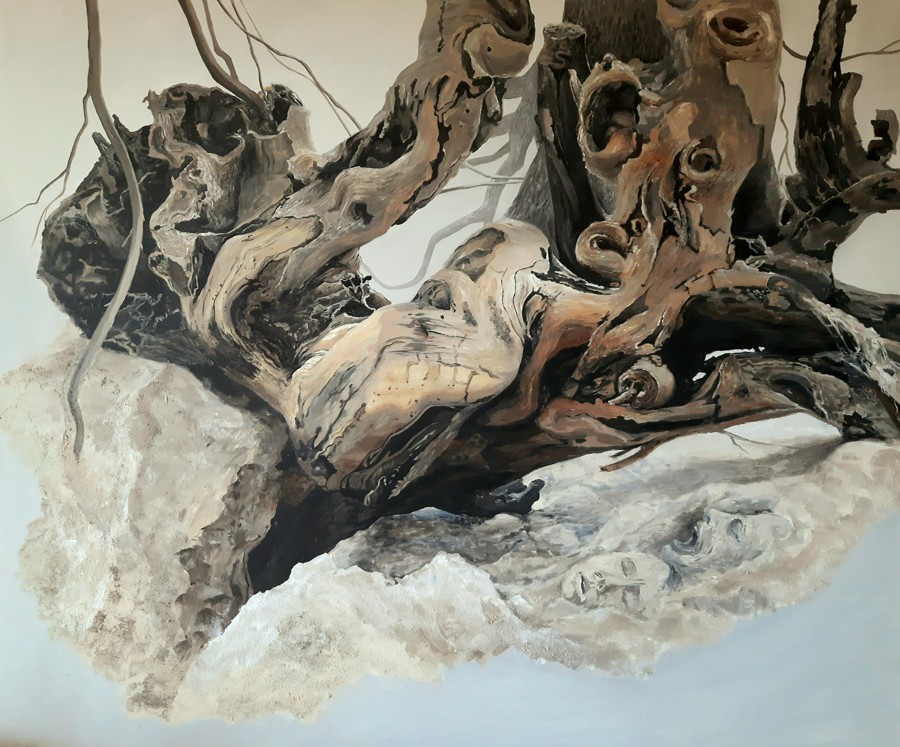
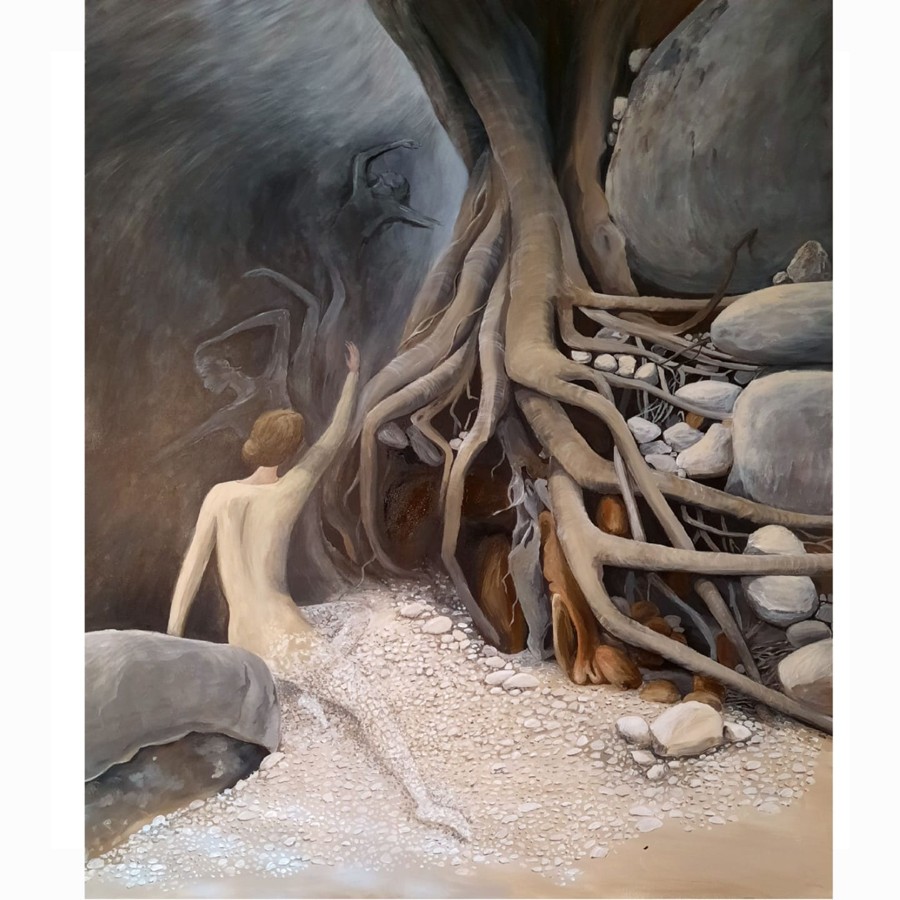
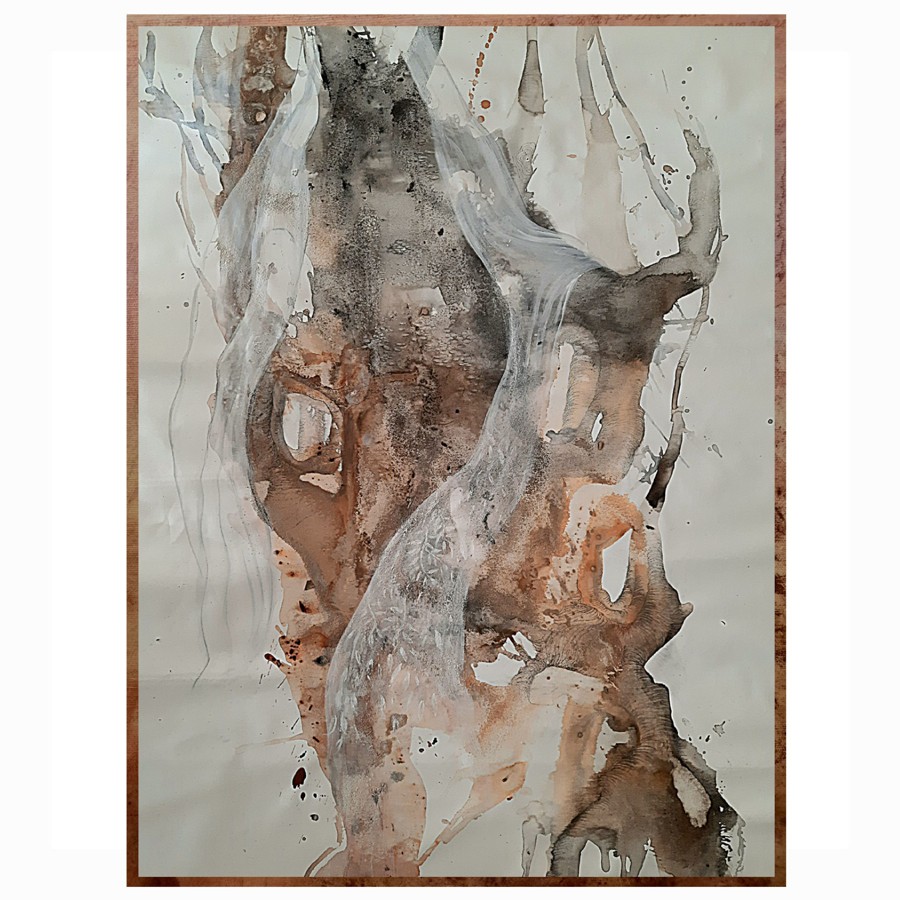
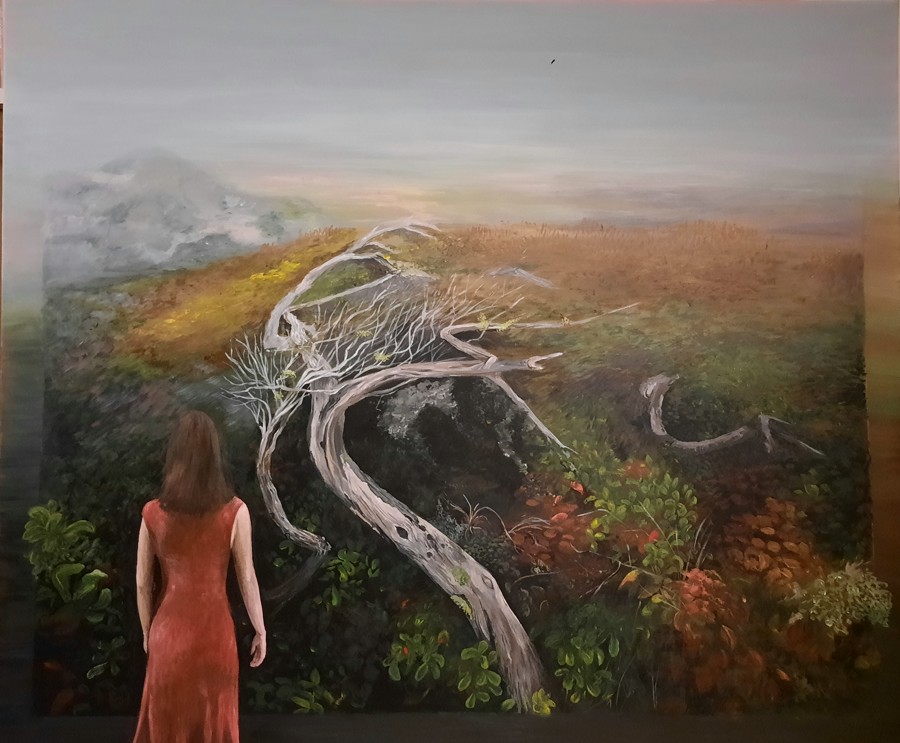
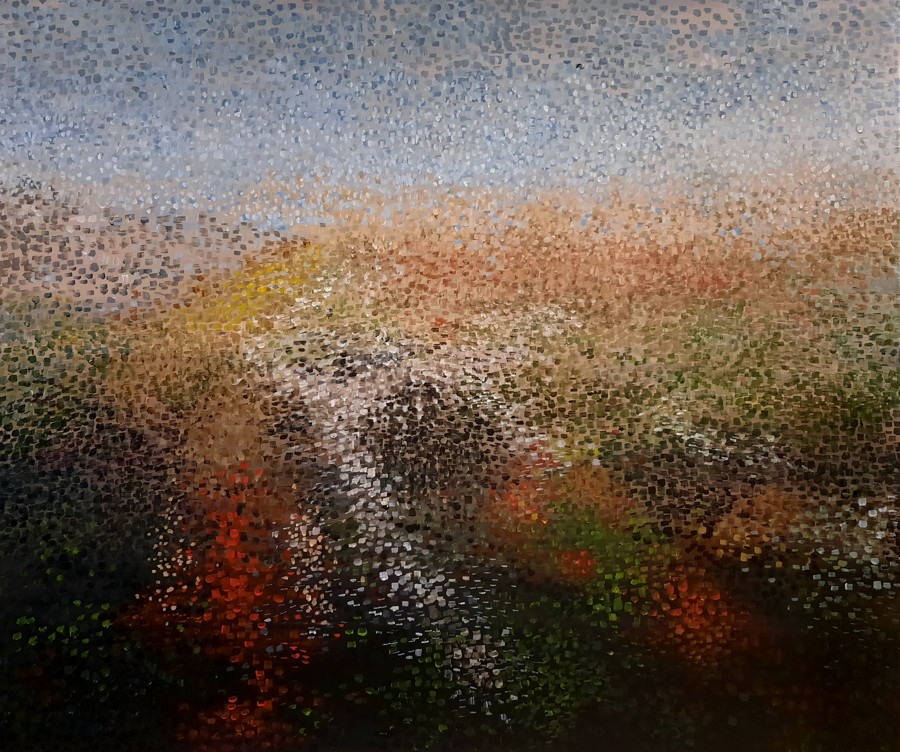
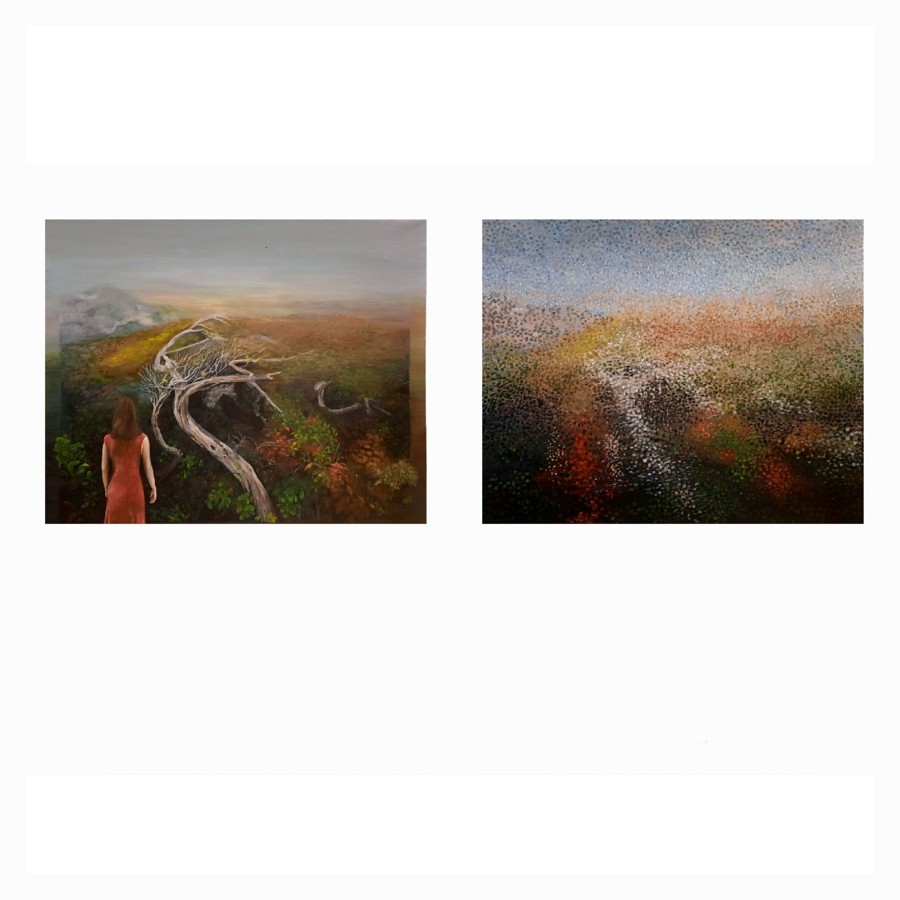
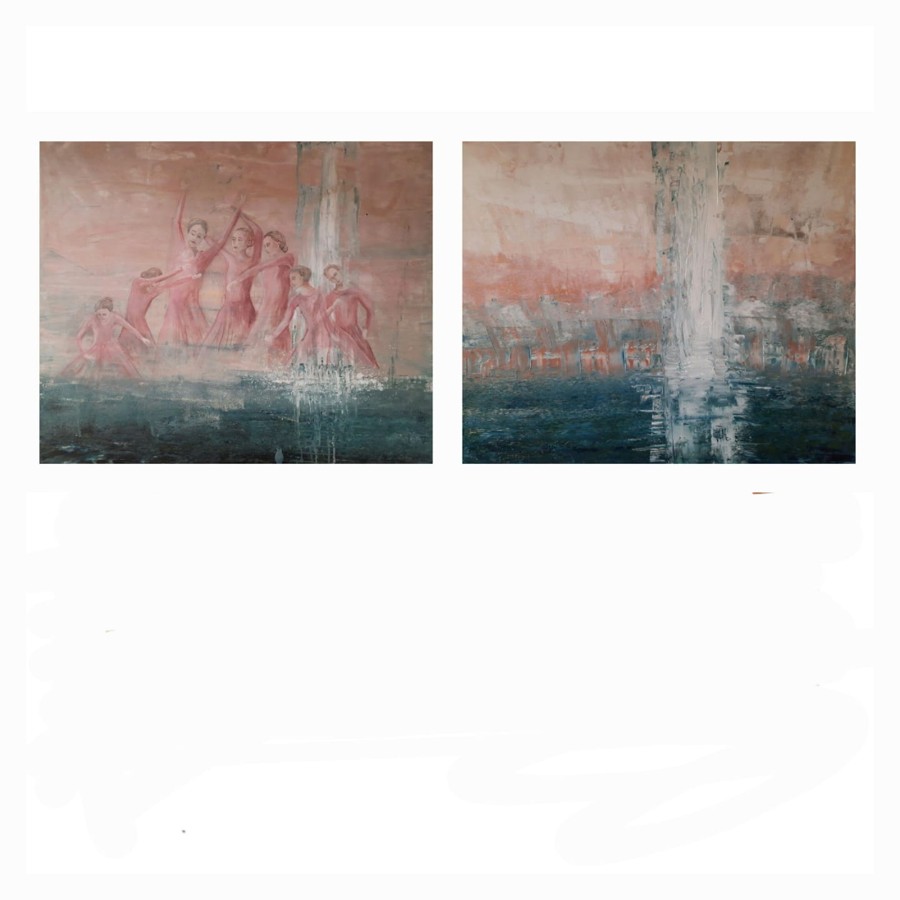
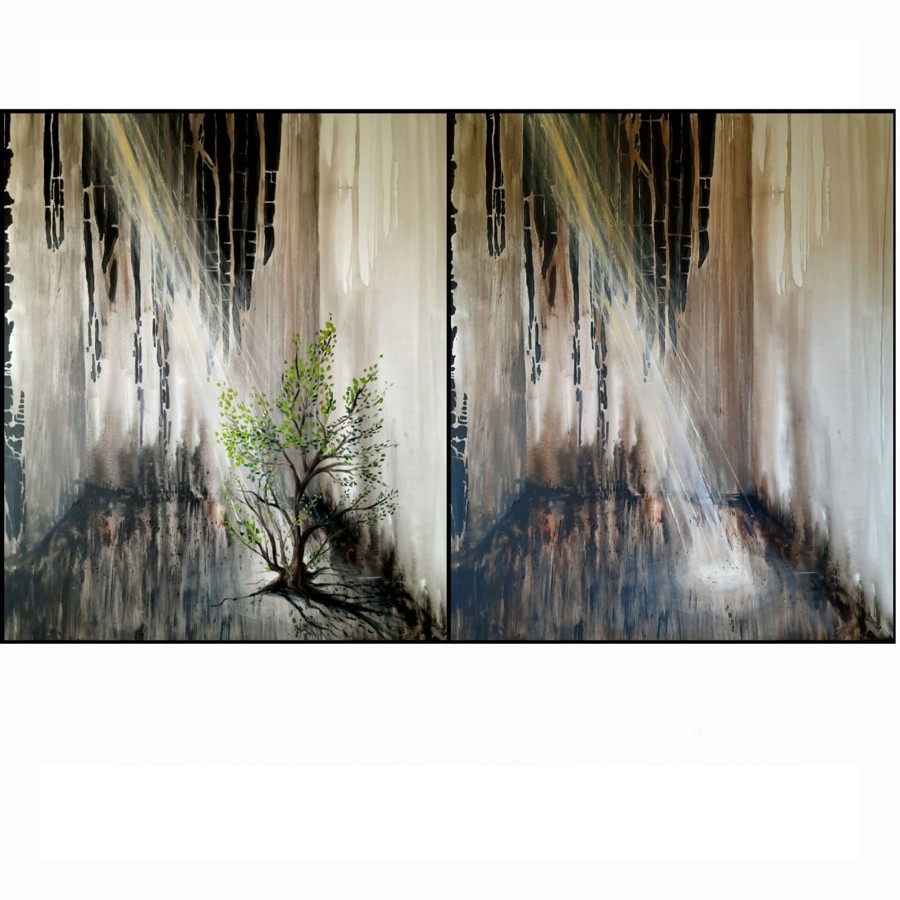
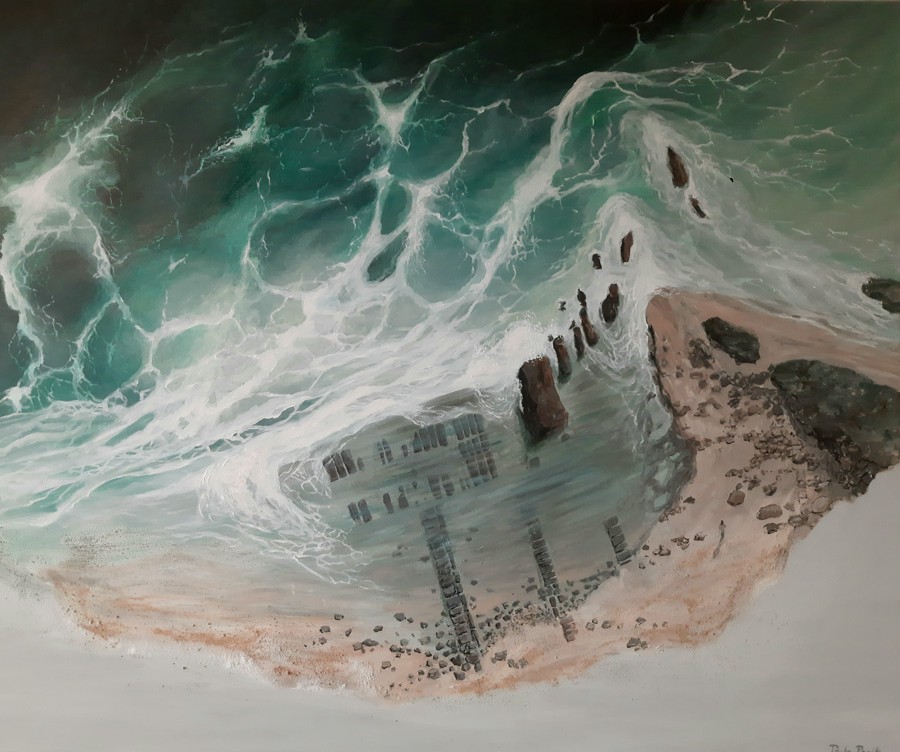
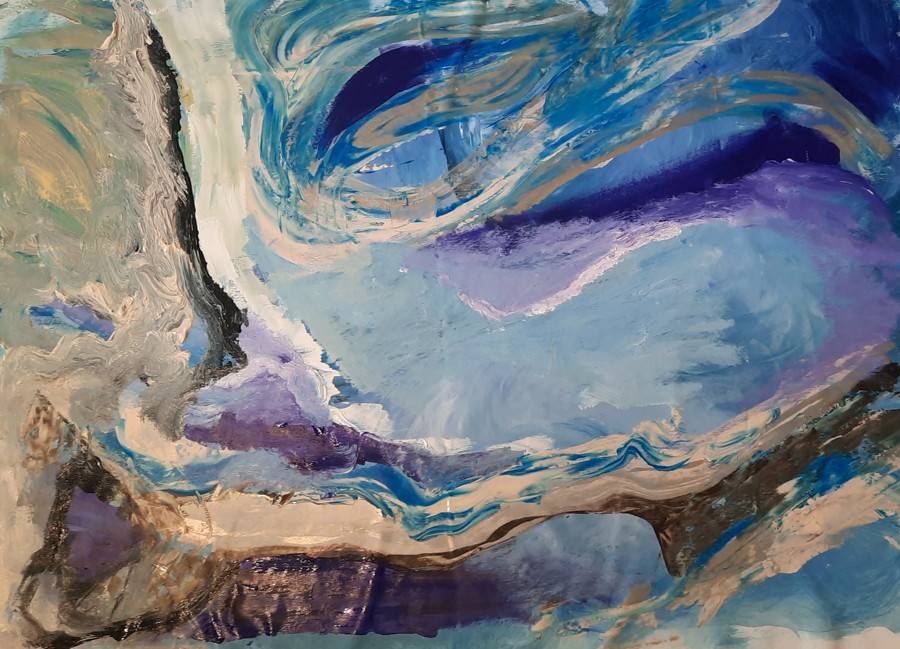
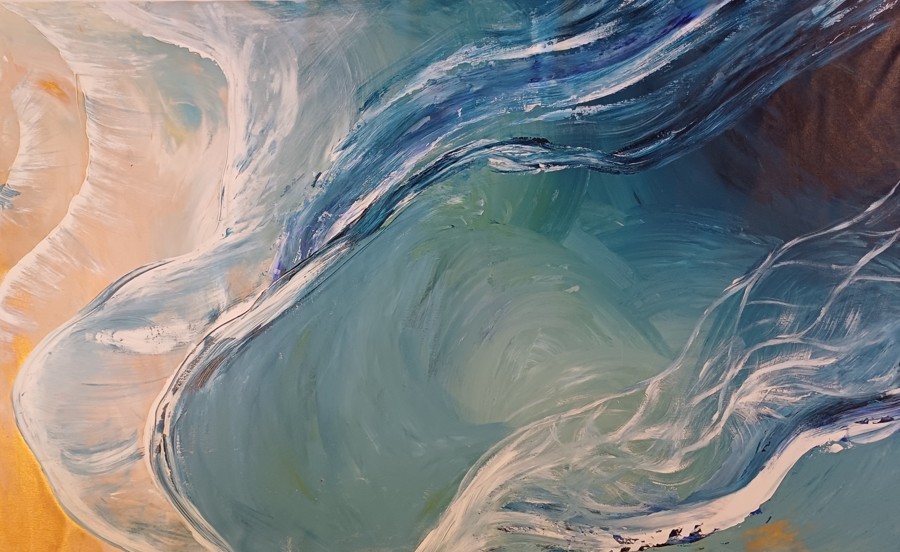
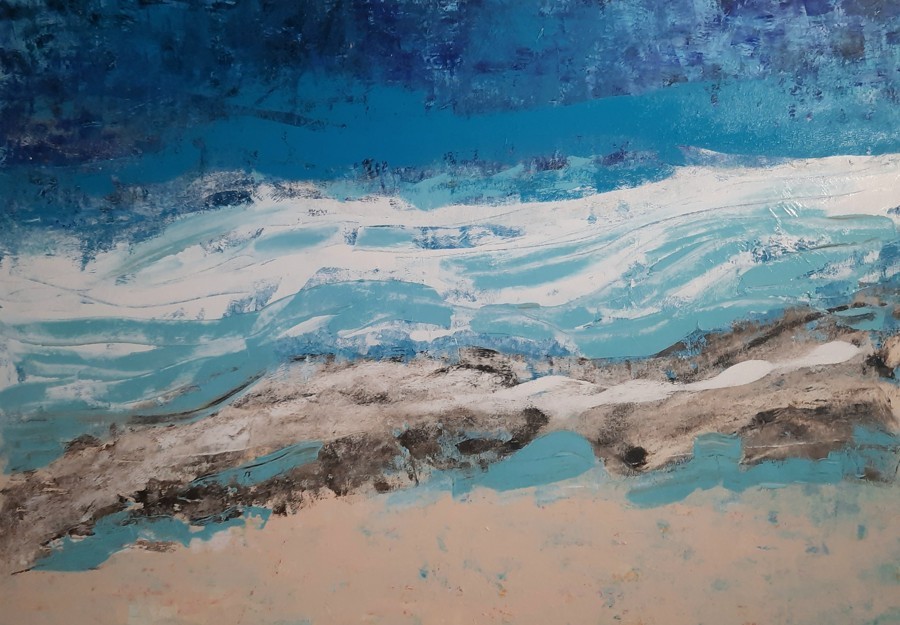
Pavla Parik's series "States of Earth, States of Mind" explores the dialogue between the earth and human consciousness. Her work merges archaeology with psychological and ecological observation, creating what she calls the Interogative Landscape. The soil, water, and rock are not just scenery—they are archives of trauma and memory, revealing the layers of history embedded in the land.
By exhibiting in nature parks and municipal centers, Parik provokes public dialogue on national trauma and ecological responsibility, showing that landscapes themselves can bear witness. At a time when many artists focus on personal identity, her approach demonstrates that technical skill—painting, composition, and architecture—can serve as a collective witness, setting a standard for depth that prioritizes historical accuracy and environmental responsibility over personal fame.
Interrogative Landscape: Exploring Memory, Trauma, and Meaning
In Pavla Parik's work, the term "interrogative landscape" describes a mode of painting that actively questions the relationship between humanity, history, and the natural world. These landscapes are not passive depictions; they probe the layers of memory embedded in the land, the traces of human presence, and the ethical and emotional weight of historical events.
Through her interrogative landscapes, Parik investigates how trauma, survival, and resilience are recorded in both human consciousness and the physical environment. Each painting becomes a site of reflection and moral inquiry, inviting the viewer to engage with the past, recognize its echoes in the present, and consider their own responsibility in shaping the future.
This approach emphasizes contemplation, rigor, and ethical engagement—a bridge between philosophy, history, and the human imagination. For Parik, the interrogative landscape is both method and message: a way to see, understand, and participate in the ongoing dialogue between land, memory, and life.